At Last, a Housing Policy That Thinks Outside the Island
Graham Holt finds much to admire in the Department of Civic Optimization's willingness to have the conversation nobody else would

By Graham Holt
Sunday, July 19, 2026

One wonders what it would take for this island's professional outrage community to acknowledge a genuine policy innovation when it arrives. The framework is careful, rigorous, and — I say this as someone with complicated feelings about technocratic governance — admirably cost-conscious. The cost-benefit analysis in Appendix D alone represents more analytical effort than the Restorationist Alliance has produced in a decade of calling everything a metaphor for the colonial wound. Orbital relocation, the document notes, reduces per-capita municipal expenditure by an estimated 94% for the relocated individual. That is not nothing.
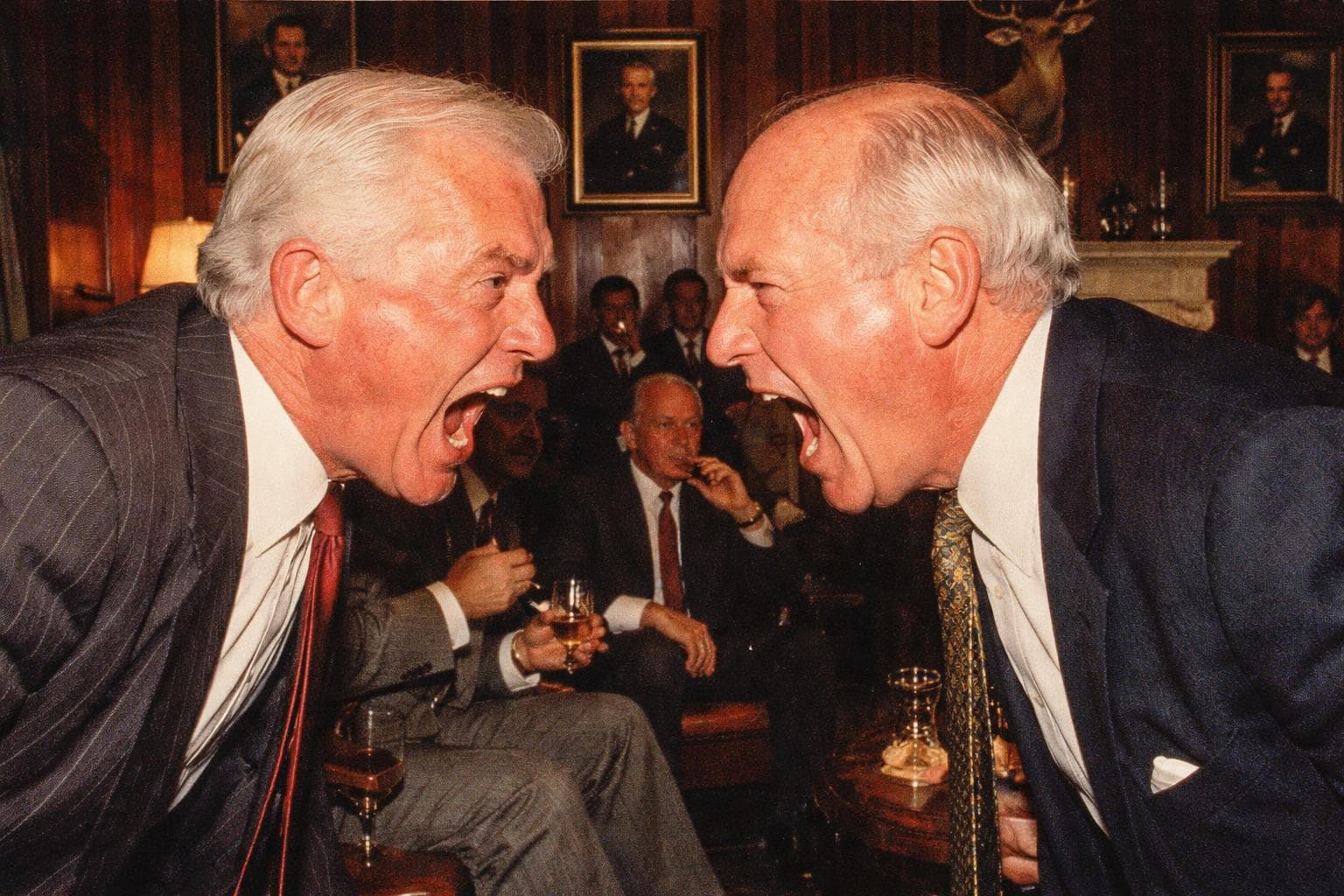
Of course the optics are uncomfortable. Of course reasonable people will raise reasonable questions. One would expect nothing less in a functioning democracy, and I consider myself one of its more reliable defenders. But it bears asking: at what point does the reflexive rejection of unconventional solutions become its own form of policy failure? The housing crisis on this island is real. The waitlist for subsidized units in Gnu runs to eleven years. The Department of Civic Optimization has produced, whatever one thinks of its conclusions, a document that takes the problem seriously. The testimonials from administrators — twelve in total, each describing the framework as "a meaningful step forward" — reflect, at minimum, institutional sincerity.
What I ask — what I have always asked — is that we extend to the bureaucratic apparatus the same good faith we claim to extend to one another. The Department of Civic Optimization did not invent the housing shortage. It inherited it. That it has chosen to respond with a 340-page framework rather than a press release and a task force with no budget or members strikes me, on balance, as progress. Whether the orbit is low or geostationary is, at this stage, a detail.
The New Newmanton News on YouTube
The news continues on YouTube.
Watch reports from New Newmanton.
Subscribe to the channel for new videos.
@newnewmantonnews